Edibles and Dosing: Where Enforcement Meets Risk
Parliament’s recent hearings on the National Cannabis Master Plan put a sharp spotlight on edibles.
Unlike raw cannabis flower, edibles are processed products. They look like ordinary sweets, drinks or baked goods. They are easy to distribute, easy to consume, and almost impossible to control once they enter the informal market.
From a public safety angle, the risks are straightforward. Dosing is inconsistent. The effects are delayed. Users don’t feel anything straight away, so they often take more. When the hit finally arrives, it is stronger and lasts much longer than expected. In an unregulated environment there are no standard serving sizes, no clear potency labels, and no reliable way to know what you are consuming.
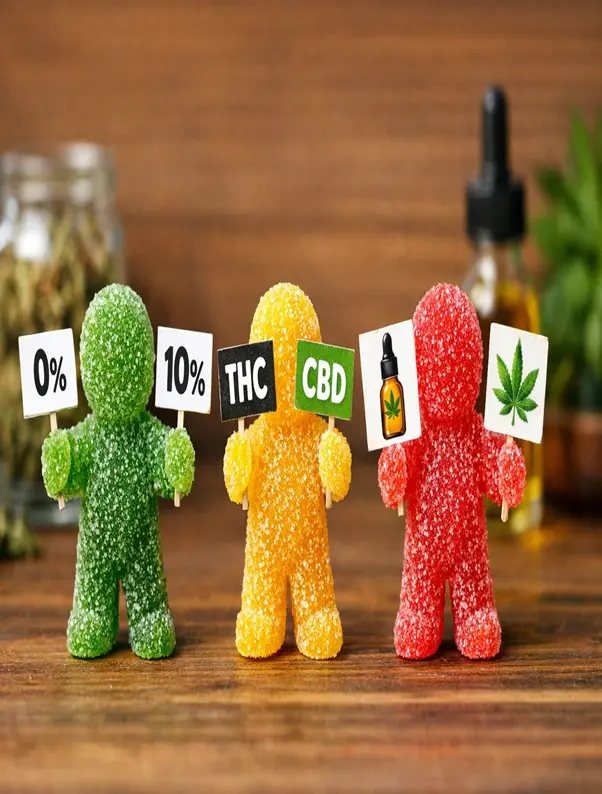
The consequences are already showing up. Children mistake gummies for normal sweets.
First-time users misjudge the dose and end up in emergency rooms. These incidents are not about misuse; they are about missing information.
Edibles are not some future problems. They are already part of the South African cannabis landscape. What sets them apart is how they behave in the body. When cannabis is eaten instead of smoked, the effect takes longer to start, lasts longer once it kicks in, and often feels more intense.
That delay creates the classic “nothing’s happening… so I’ll take another” mistake.
In a properly regulated system this is fixed with consistency:
- Defined dose per serving
- Total dose clearly marked on the package
- Straightforward labelling
- Child-resistant packaging
- Mandatory product testing
Without those basics the gap between what the user expects and what happens stays wide open.
The difference between medicinal and recreational use is not the molecule, it is the environment. In a medical setting the product is consistent, dosing is controlled and the user is guided. In the current informal recreational market, none of that structure exists.
The substance behaves exactly the same way, but the safeguards are missing.
This cannot be treated as a side issue. Edibles are here to stay. They are growing globally and they are already present locally. The question is no longer whether they exist. The question is whether the regulatory system will finally give consumers the basic information they need to use them safely.
Team H3 has already drafted a practical white paper setting out exactly these standards, dose per serving, clear labelling, child-resistant packaging and testing requirements. The framework is ready. What is missing is the political decision to apply it.
Until that decision is made, enforcement will keep chasing the problem instead of preventing it, and South African consumers will keep paying the price for a framework that still refuses to regulate what is already happening on the ground.
Charl Botha is a legal strategist with a B.Proc degree, cannabis policy specialist, and spokesperson for Team H3. This article is Part 6 of our ongoing series drawn from the latest parliamentary proceedings on the National Cannabis Master Plan.




Share this page with your family and friends.